Active Learning Techniques
Incorporate flipped classrooms, case-based learning, group discussions, and project-based learning to engage students actively.
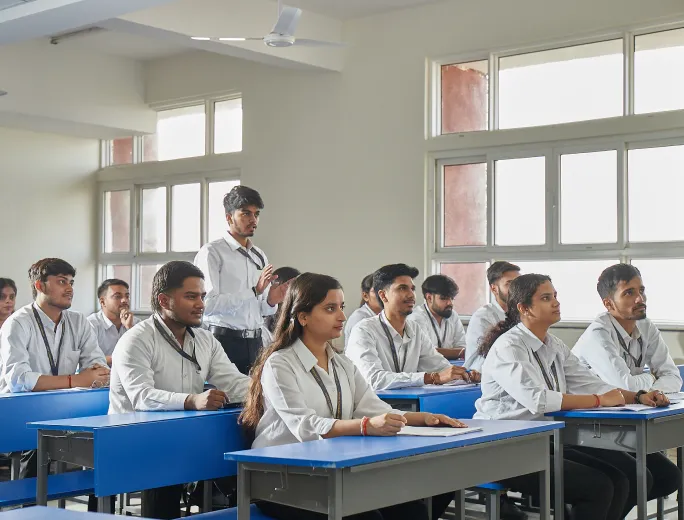
Incorporate flipped classrooms, case-based learning, group discussions, and project-based learning to engage students actively.
Leverage digital platforms, smart boards, and e-resources to facilitate learning.
Conduct workshops, seminars, and training sessions to help faculty stay updated with the latest teaching methodologies and technologies.
Provide personal and academic counseling through a structured mentoring system. This helps address student concerns and improves retention rates.
Strengthen industry connections and collaborate with placement agencies to ensure high placement rates. Offer career development workshops and mock interviews.
Organize workshops on soft skills, leadership, communication, and entrepreneurship to make students industry-ready.
Ensure that classrooms, laboratories, libraries, and other learning resources are well-equipped and regularly upgraded.
Maintain a good collection of books, journals, and online databases. Offer digital access to academic resources like e-books, journals, and research papers.
Make use of modern tools like projectors, whiteboards, and interactive technologies to improve teaching and learning. Provide high-speed internet access across the campus.
Ensure clear policies and procedures for academic and administrative activities. Promote transparency in decision-making and communication.
Regularly conduct internal and external audits to assess the performance of the institution and identify areas for improvement.
Implement regular surveys to gather student feedback on faculty performance, infrastructure, and overall satisfaction, ensuring that changes are made based on the feedback.
Clearly articulate the program outcomes, course outcomes, and how they contribute to student development.
Implement continuous evaluation mechanisms like assignments, quizzes, projects, and exams to assess the progress of students.
Offer flexibility in the academic schedule, making it easier for students to balance academics with co-curricular activities and internships.
Conduct outreach programs like internships, industrial visits, and community service initiatives to engage students in real-world problem-solving.
Encourage green initiatives, such as rainwater harvesting, waste management, and promoting energy conservation on campus.
Organize activities like blood donation camps, health drives, and awareness campaigns to enhance students' social responsibility.
Establish research centers and labs. Encourage faculty and students to engage in research activities and publish papers in reputed journals.
Foster partnerships with industries, R&D organizations, and universities to conduct joint research projects.
Facilitate faculty and students in applying for research grants and encourage innovation through startup incubation centers.
Regularly review and improve teaching processes based on feedback from students, faculty, and industry stakeholders.
Prepare and update comprehensive self-assessment reports that detail the institution’s strengths, weaknesses, and strategic goals.
Establish a dedicated body for monitoring quality in academic and administrative activities.
Established a dedicated body for the Academic and Administrative Audit.