School Of Engineering About-the-school
Overview
Established in 2024, the School of Engineering at JSS University, Noida began with an intake of 300 students and has expanded to 1200 students.
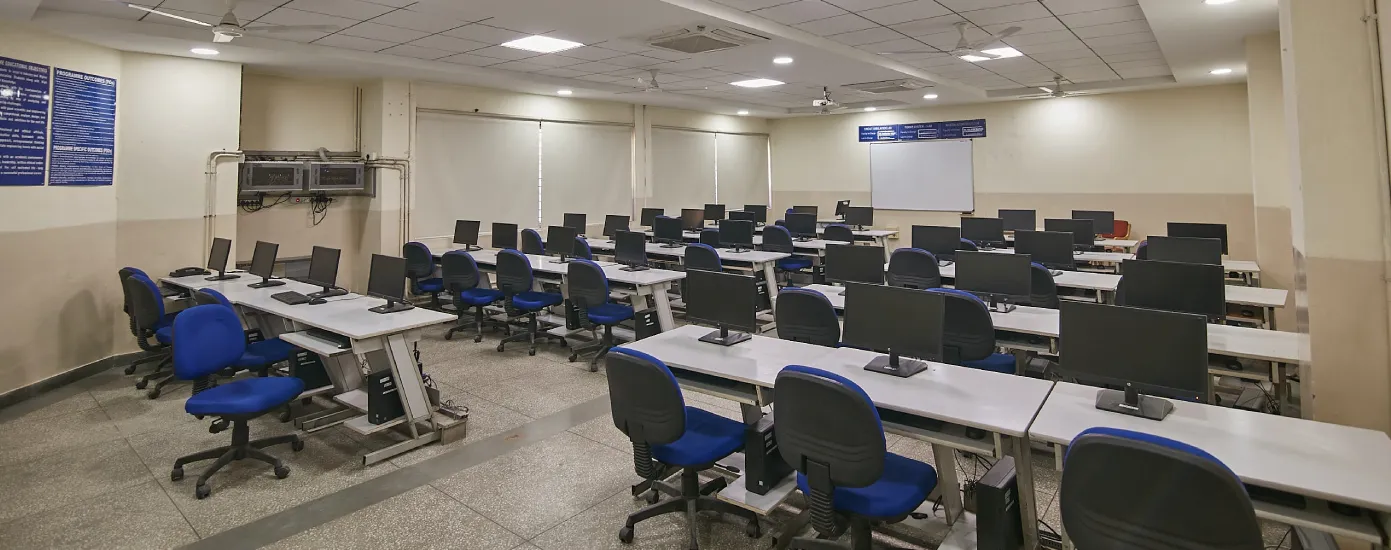
The School carries forward the 26-year academic legacy of JSS Academy of Technical Education, formerly affiliated with Dr. A.P.J. Abdul Kalam Technical University. The School is committed to academic excellence, research innovation, and industry-aligned education to develop globally competent engineers.
Faculty & Academic Strength
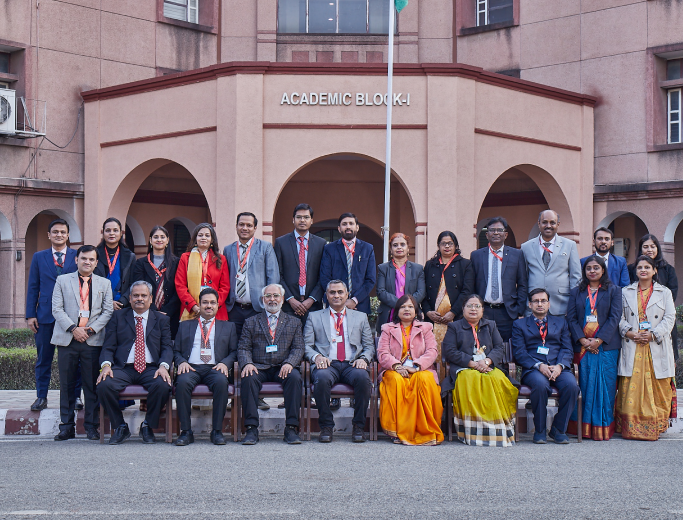
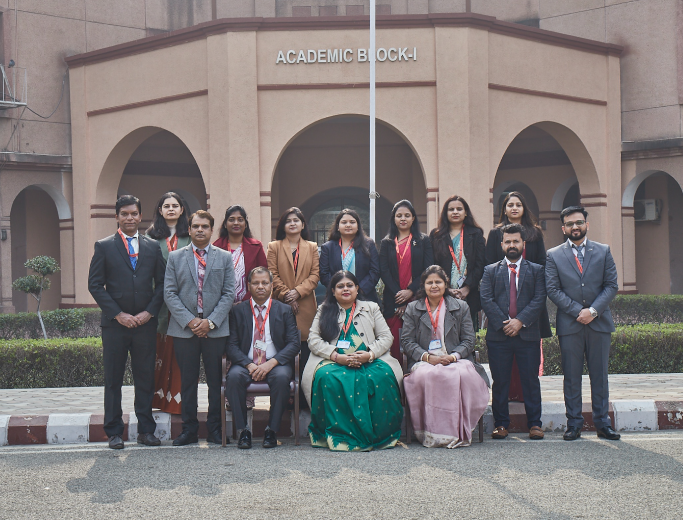
The School is supported by a highly accomplished and dedicated team of faculty members, many of whom hold Ph.D. degrees, while others are actively engaged in doctoral research. The faculty members play a vital role in delivering quality education, driving innovative research, offering consultancy, and mentoring students, thereby fostering academic excellence, intellectual growth, and a dynamic learning environment committed to continuous improvement.
Curriculum & Learning Framework
The B.Tech. curriculum is designed to combine strong theoretical foundations with practical exposure and is developed in alignment with the United Nations Sustainable Development Goals (SDGs) to promote responsible innovation, sustainability, and societal impact.
- Applications of Artificial Intelligence (AI) and Machine Learning (ML)
- Outcome-Based Education (OBE)
- Project-Based Learning (PBL)
- Real-world problem solving and innovation
- Ethical and value-based education
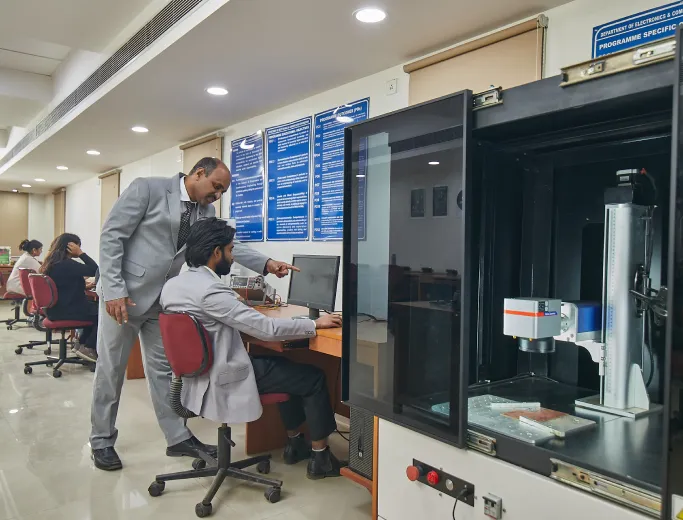
Future-Ready Curriculum and Skill Development
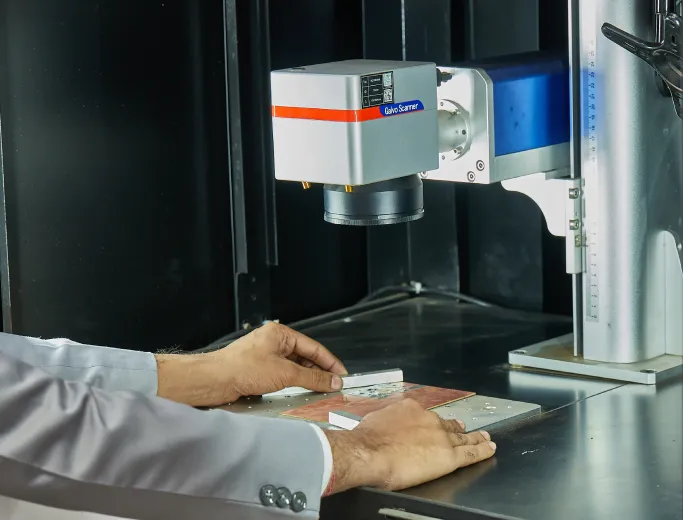
Students gain hands-on experience through lectures, tutorials, laboratories, design exercises, and simulation-based learning. This flexible structure promotes multidisciplinary competence and career readiness.
Students undertake innovative, industry-oriented projects focusing on real-world applications of AI, ML, Data Science, Robotics, Electric Vehicles, smart cities, sustainability, and other emerging technologies. Emphasis is placed on prototype development, research-driven solutions, and startup-oriented initiatives.
- Open electives across disciplines
- Skill-based courses aligned with industry needs
- Courses in entrepreneurship, communication, and professional development
- Exposure to platforms such as Infosys Springboard and virtual labs